

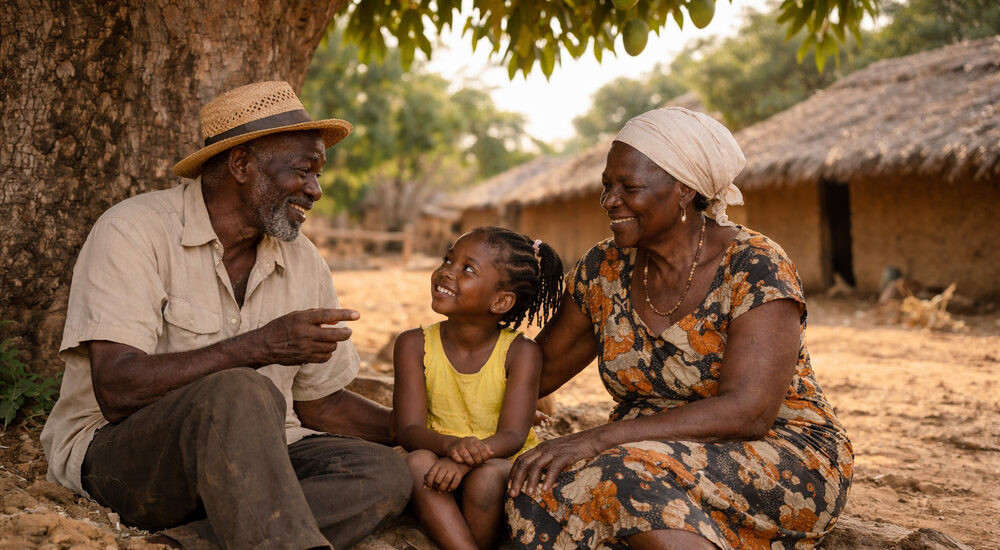
In today’s article, we are going to see these 7 family bonds that bring happiness. Which are these 7 bonds? Let’s drive in and see them. You will also learn how to use them in your day-to-day life or activities.
In East African societies, family is far more than just parents and children. It is a vast network connected by blood, marriage, and shared history. In Swahili culture, terms like Kaka Mkubwa, Dada Mkubwa, Babu, Bibi, Rafiki, Shemeji, and Wifi are not just labels; they carry the weight of responsibility and deep respect.
Table of Contents
When you address someone by these titles, you are acknowledging their specific place in your heart and social structure.
7 Family Bonds that bring Happiness
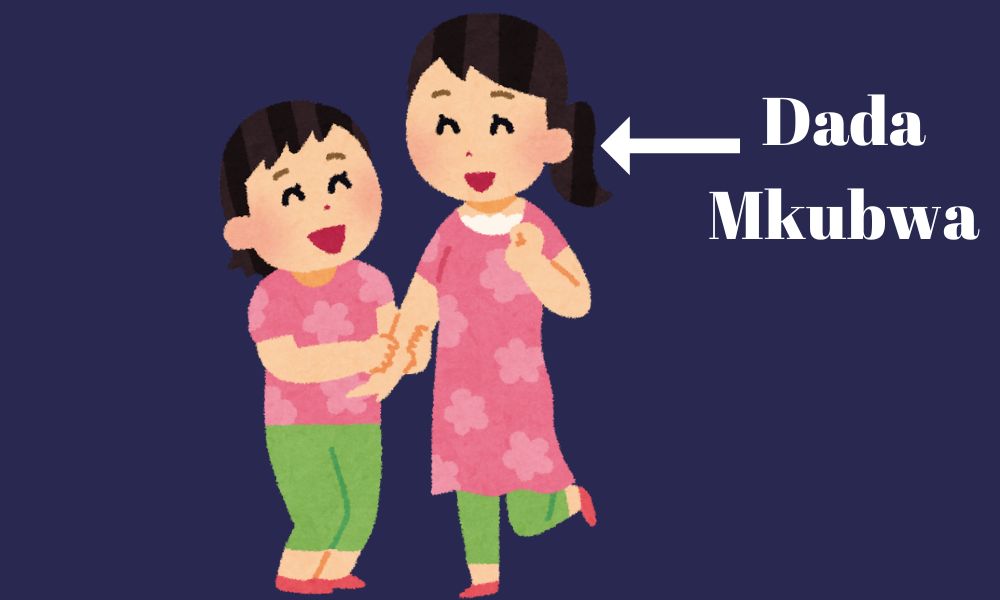
(a) Kaka Mkubwa and Dada Mkubwa: The Guardians
In a Swahili household, the firstborn children are held in very high regard. The Kaka Mkubwa (Elder Brother) and Dada Mkubwa (Elder Sister) act as deputy parents. They are responsible for guiding their younger siblings and ensuring that discipline and traditions are maintained at home. So this is one of the 7 family bonds that bring happiness.
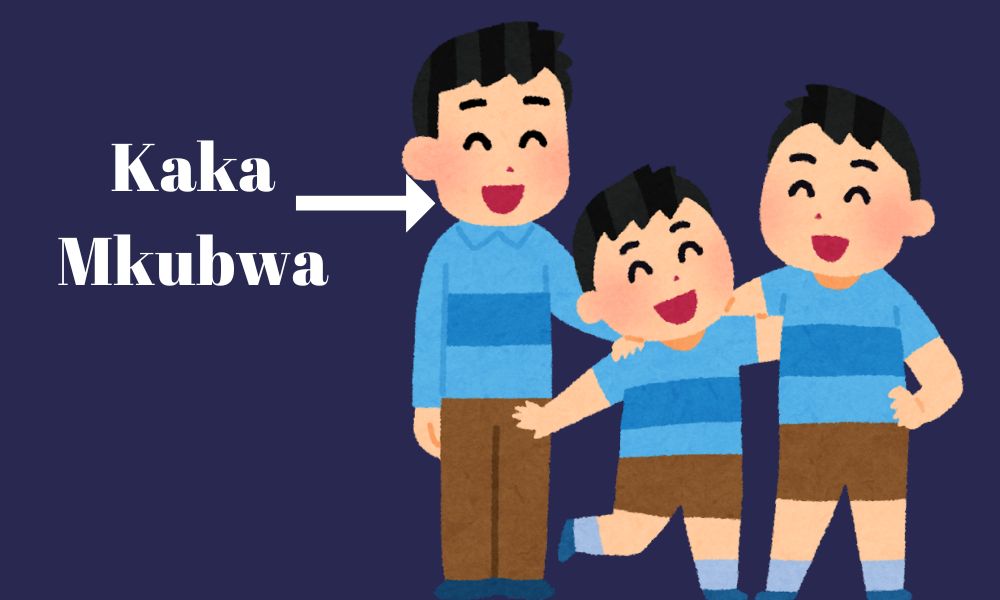
Setting: Home Study Time (Muda wa Masomo Nyumbani)
Kaka Mdogo: “Kaka Mkubwa, naomba unisaidie hesabu hizi, ni ngumu sana.”
Kaka Mkubwa: “Usijali mdogo wangu, leta kitabu nikuonyeshe njia rahisi ya kufanya.”
Dada Mkubwa: “Na mkimaliza, hakikisha mnaosha vyombo kabla Mama hajarudi.”
(b) Babu and Bibi: The Wells of Wisdom
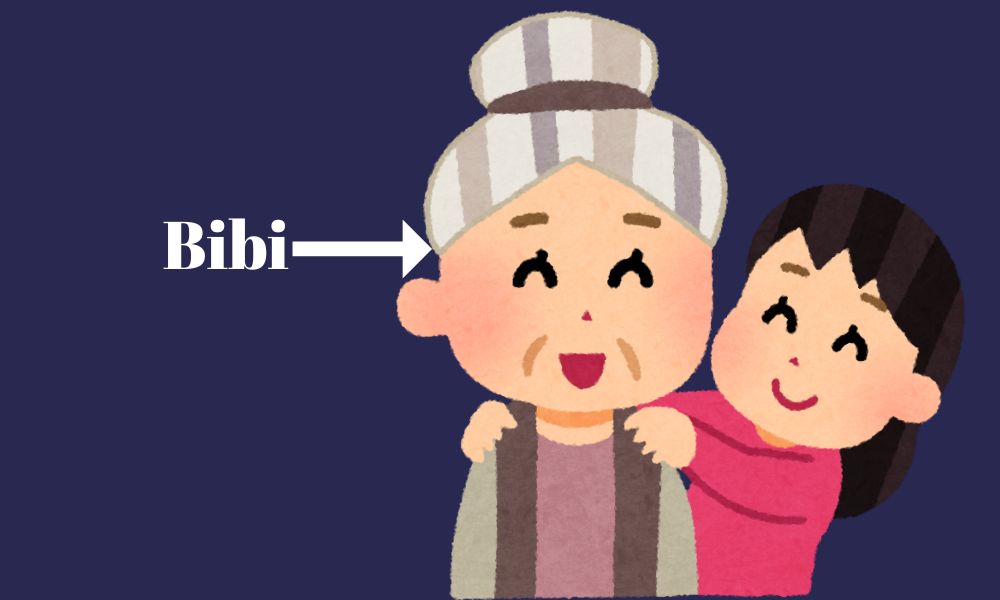
No one is loved or respected more than Babu (Grandfather) and Bibi (Grandmother). They are the keepers of oral history and tribal customs. It is a tradition for grandchildren to travel to the village during the holidays, specifically to hear stories and folk tales. This is one of the core of 7 family bonds that bring happiness. It is very important to know this.
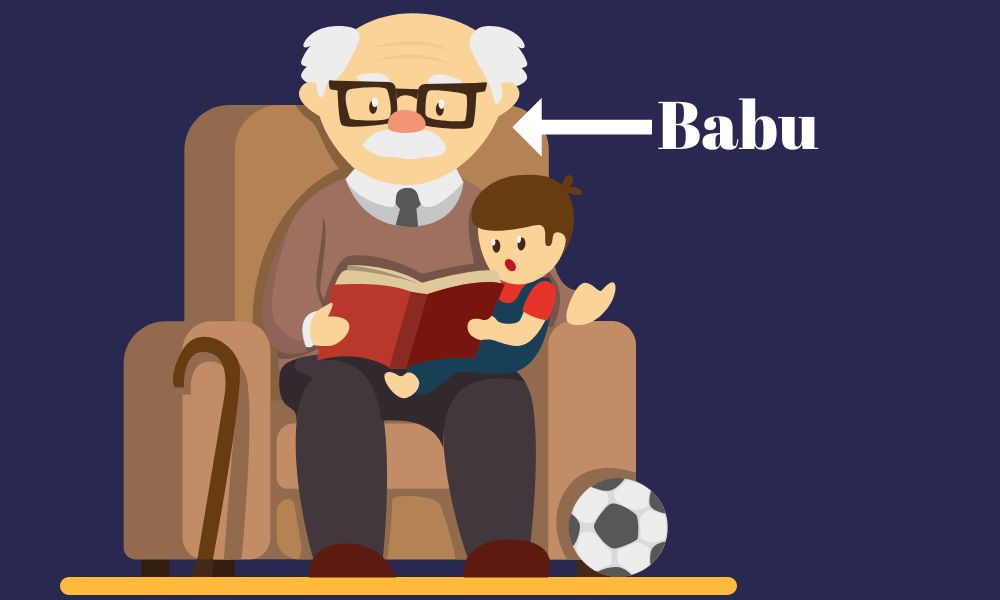
Setting: Under the Tree in the Village (Kijijini chini ya Mti)
Babu: “Mjukuu wangu, zamani simba na fisi walikuwa marafiki…”
Bibi: “Lete chai mwanangu, Babu yako anapenda hadithi zenye mafunzo.”
Mjukuu: “Asante Bibi, nafurahi sana kusikiliza hekima za Babu.”
(c) Shemeji and Wifi: The Strength of Marriage
Marriage in Swahili culture is seen as the union of two entire families, not just two individuals.
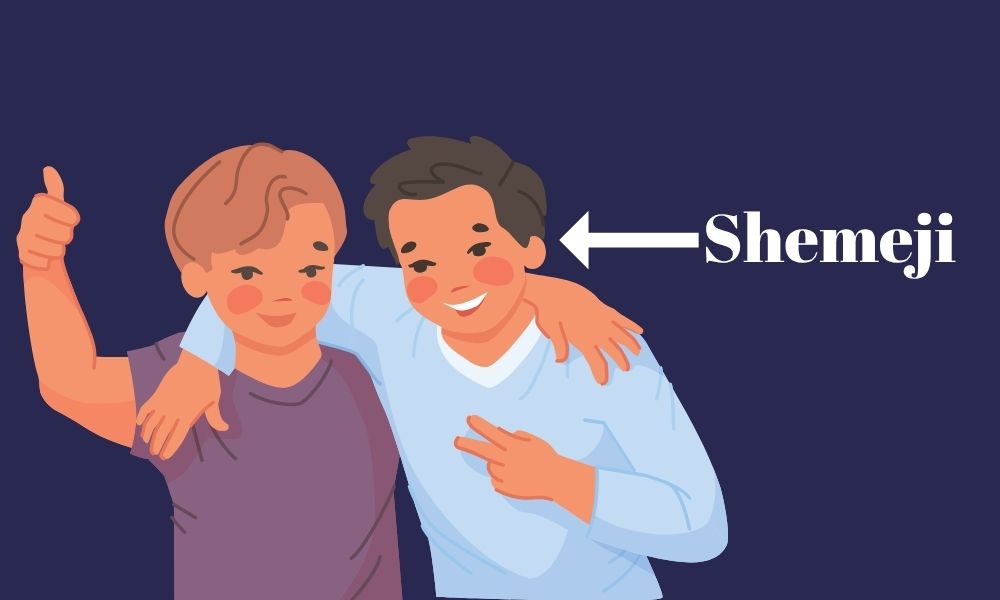
Shemeji (Brother-in-Law): This term is used by a man for his wife’s siblings, or by a woman for her husband’s brothers. A man also calls his brother’s wife “Shemeji.”
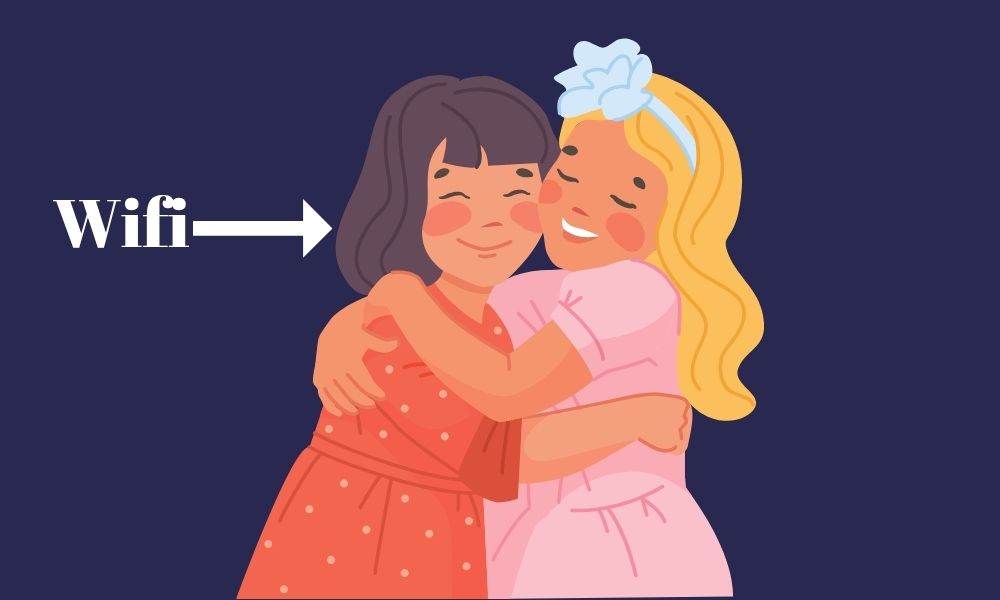
Wifi (Sister-in-Law): This is a unique gender-specific term. A woman calls her husband’s sister “Wifi,” and she also calls her brother’s wife “Wifi.”
Setting: At the Market (Sokoni)
Wifi (Mke): “Wifi yangu, hili vazi la harusi litakupendeza sana!”
Wifi (Dada wa Mume): “Asante Wifi, wewe una jicho zuri la mitindo kila wakati.”
Shemeji: “Haya wanawake, malizeni kuchagua ili turudi nyumbani!”
(d) Rafiki: Ndugu wa Kuchagua
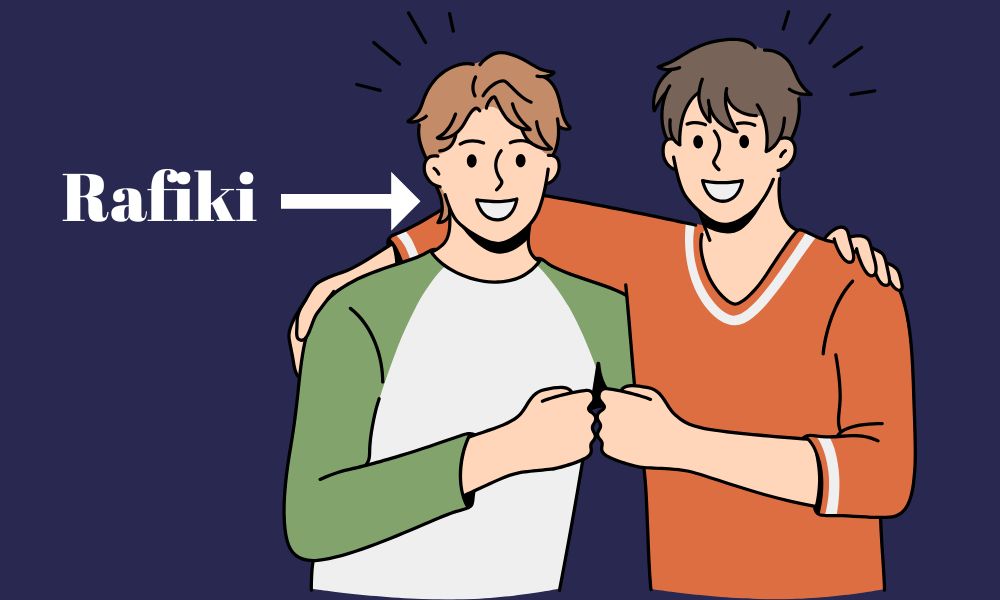
While a Rafiki (Friend) is not a blood relative, in Swahili culture, a true friend is treated as part of the family. There is a famous proverb: “Akufaaye kwa dhiki ndiye rafiki wa kweli” (The one who helps you in distress is the true friend). This one aspect of the 7 family bonds that bring happiness is always important in day-to-day activities.
Setting: At a Café (Mkahawani)
Rafiki 1: “Rafiki yangu, nina shida kidogo ya kifedha mwezi huu.”
Rafiki 2: “Pole sana ndugu yangu. Nitakusaidia kwa kile nilichonacho, tuko pamoja.”
(e) Summary of Social Roles and Cultural Significance of the 7 Family Bonds that bring Happiness
| Jina la Kiswahili | Tafsiri ya Kiingereza | Jukumu la Kitamaduni |
| Kaka Mkubwa | Elder Brother | Kiongozi wa wadogo na mshauri wa baba. |
| Dada Mkubwa | Elder Sister | Mlezi wa wadogo na msaidizi mkuu wa mama. |
| Babu | Grandfather | Mkuu wa ukoo na mtoa hekima. |
| Bibi | Grandmother | Msimulizi wa ngano na mwalimu wa maadili. |
| Shemeji | Brother-in-law | Huleta utani na udugu kati ya familia zilizooana. |
| Wifi | Sister-in-law | Rafiki wa karibu wa mke ndani ya familia mpya. |
| Rafiki | Friend | Mfariji na msaidizi wa karibu katika shida. |
The Importance of “Adabu” (Respect)
In Swahili culture, calling a Babu or Bibi by their first name is considered a major sign of disrespect (utovu wa nidhamu). Even for an elder brother or sister, younger siblings rarely use their first names. They simply say “Kaka” or “Dada.” This creates a harmonious social order where everyone understands their role and feels valued.
Applying These Terms in Daily Life
When you visit East Africa, you will notice that even strangers use these terms. A young person might call an elderly man on the street “Babu” out of pure respect. This is the secret to Swahili hospitality (Ukarimu)—treating everyone as if they are your own kin.
Understanding terms like Wifi, Shemeji, and Babu is the key to understanding the heart of the Swahili people. It is a culture built on love, respect, and mutual support. When you use these words correctly, you aren’t just speaking a language—you are building lasting bridges of friendship and brotherhood.
So let’s continue to use these 7 family bonds that bring happiness. If you use them and people see your efforts of using these 7 family bonds that bring happiness, they will respect you for that.
It has been really fun writing this article about the 7 family bonds that bring happiness. Hope you have enjoyed reading about it. If you want to learn more Swahili words, please visit the Ongea Swahili page.
Until next time