

In today’s article, we are going to look at 4 Swahili Empathy Phrases You Must Master. Why? Most of us have been sick and needed comfort; we have lost a loved one, we were late somewhere, and we have seen people do hard work. Most people use the word very sorry.
Now, if you are learning Swahili or trying to connect deeply with East Africans, understanding grammar rules and drills is only half the battle. The real secret lies in mastering social etiquette and empathy.
Swahili culture places immense weight on human connection, sympathy, and shared human experiences. If someone around you goes through hardship, works hard, experiences loss, or falls ill, staying silent isn’t seen as giving them space—it can actually be perceived as cold or detached.
Table of Contents
That is where the word “Pole” comes in. While basic translation tools will tell you that “Pole” means “Sorry,” it carries far deeper emotional weight than a simple English apology. It expresses sympathy, solidarity, care, and human warmth. When you add “Sana” (which means “very much”), you elevate that connection to a deep level of respect and genuine concern.
In this article, we are going to break down 4 crucial phrases using “Pole Sana”, covering why they matter, how to use them, when to use them, and exactly how to pronounce them like a native speaker.
Let’s dive in by looking at those four empathy phrases.
4 Swahili Empathy Phrases You Must Master
1. Best Ways to Comfort the Sick: Pole Sana kwa Kuumwa
Swahili Phrase: Pole Sana kwa Kuumwa
- Pronunciation: Listen to the audio below.👇
- Literal Meaning: Very sorry for being sick / suffering from an illness
Why It Matters:
Health and well-being are central topics in everyday East African conversation. Asking about someone’s health or their family’s health is a standard part of any greeting. When illness strikes, acknowledging it immediately shows respect, community support, and genuine care.
When & How to Use It:
Use this phrase whenever a friend, colleague, neighbor, or family member falls ill, goes to the hospital, or is resting at home during recovery. You can say it in person when visiting them, send it in a WhatsApp text, or record a quick voice note.
- Pro Tip: To make your sentiment even warmer, follow it up with “Ugua pole” (Get well soon).
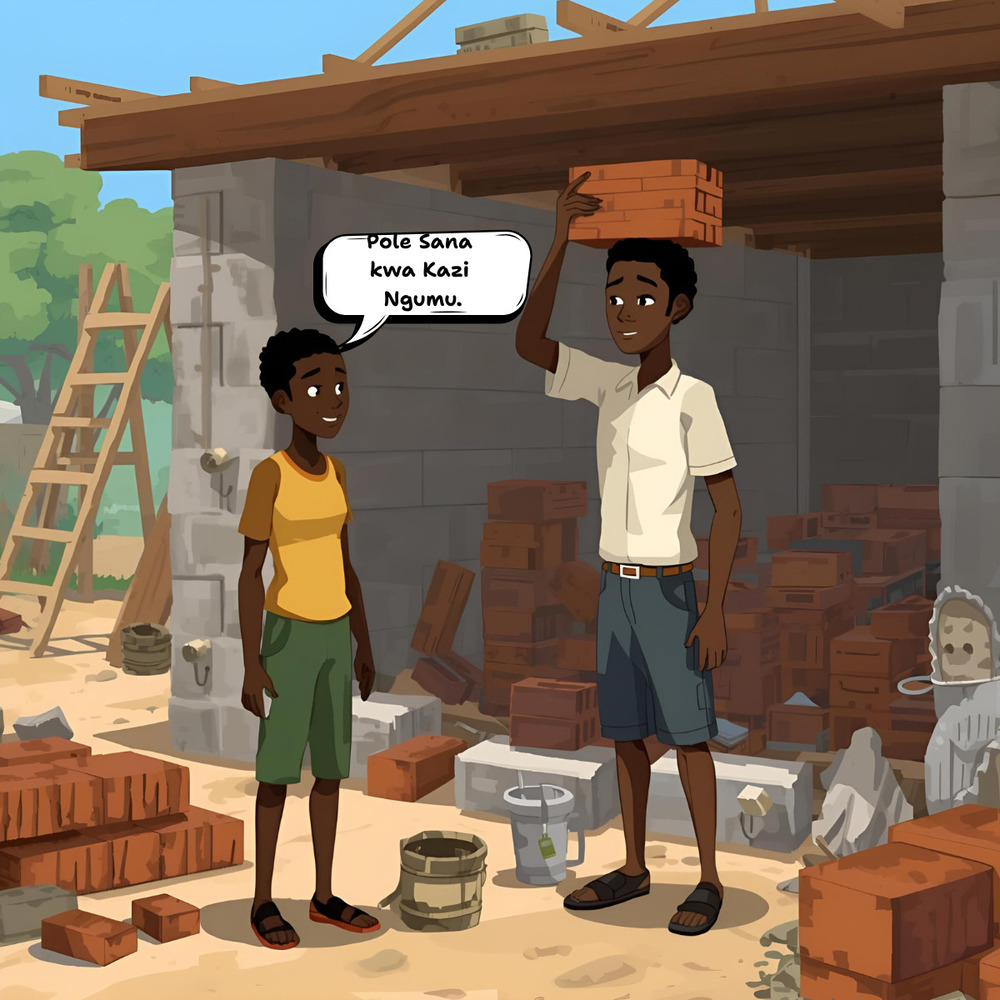
2. Powerful Reasons to Respect Hard Work: Pole Sana kwa Kazi Ngumu
Swahili Phrase: Pole Sana kwa Kazi Ngumu
- Pronunciation: Listen to the audio below.👇
- Literal Meaning: Very sorry for the hard work/effort
Why It Matters:
In many Western contexts, saying “sorry you worked hard” might sound like you are apologizing for an error or implying the work was an unnecessary burden. But in Swahili culture, labor—whether physical, mental, or creative—is deeply honored. Saying this acknowledges someone’s dedication and validates the fatigue they feel.
When & How to Use It:
Say this to someone who has just finished a long shift, completed a demanding project, worked in the garden, or spent hours cooking in the kitchen. It acts as a powerful token of gratitude and solidarity.
- Key Difference: Do not confuse this with “Kazi njema” (Have a good work session). While “Kazi njema” is said before or as someone starts working, “Pole sana kwa kazi ngumu” is said during or right after intense labor to recognize their exertion.
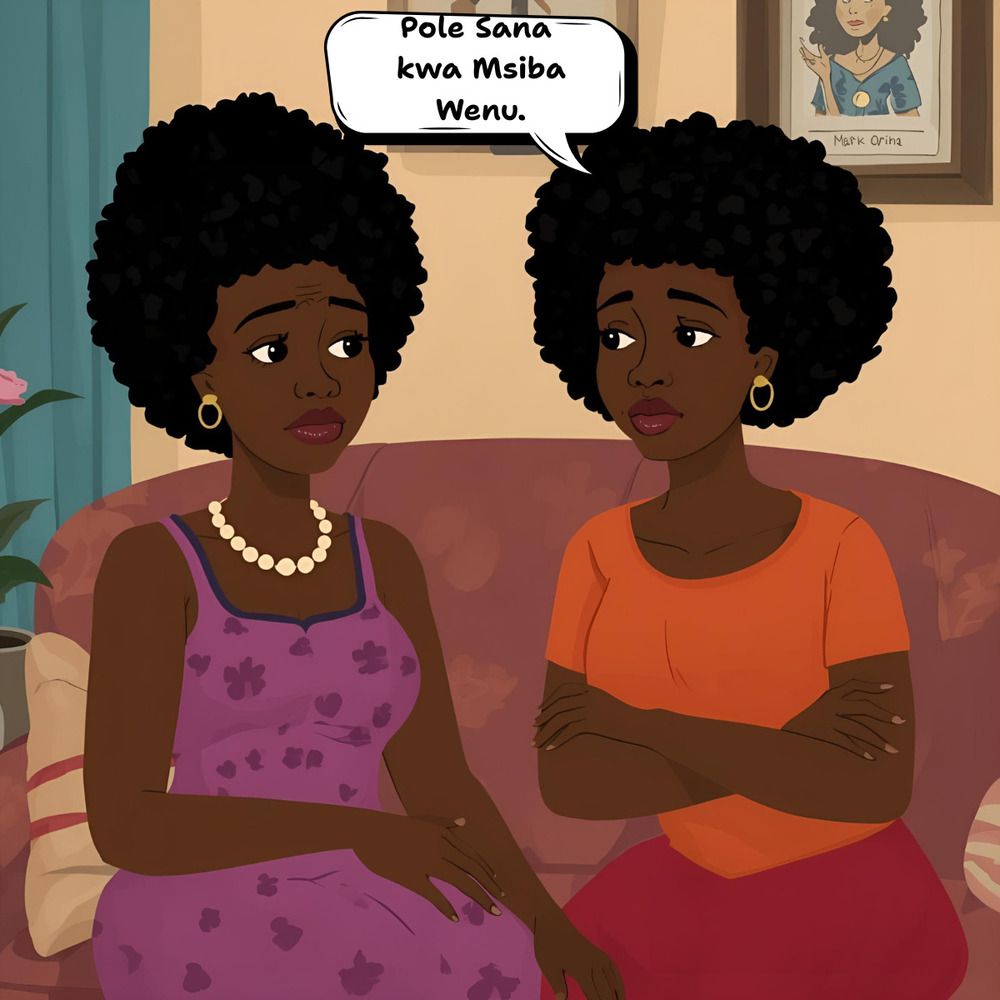
3. Golden Rules for Expressing Condolences: Pole Sana kwa Msiba Wenu
Swahili Phrase: Pole Sana kwa Msiba Wenu
- Pronunciation: Listen to the audio below.👇
- Literal Meaning: Very sorry for your family’s bereavement/loss
Why It Matters:
Bereavement in East Africa is a collective community event. Friends, family, and neighbors gather to support mourning families during difficult times. Using the correct condolence phrase conveys deep respect, solemn empathy, and community solidarity.
When & How to Use It:
Use this when speaking to a friend, acquaintance, or colleague who has lost a family member. The word “Wenu” is the plural “your” (referring to your family/household), acknowledging that grief impacts the entire home.
- Cultural Note: If you are speaking directly to a single individual about their personal grief, you can also say “Pole sana kwa msiba” or add “Mungu awape uvumilivu” (May God grant you all patience and strength).
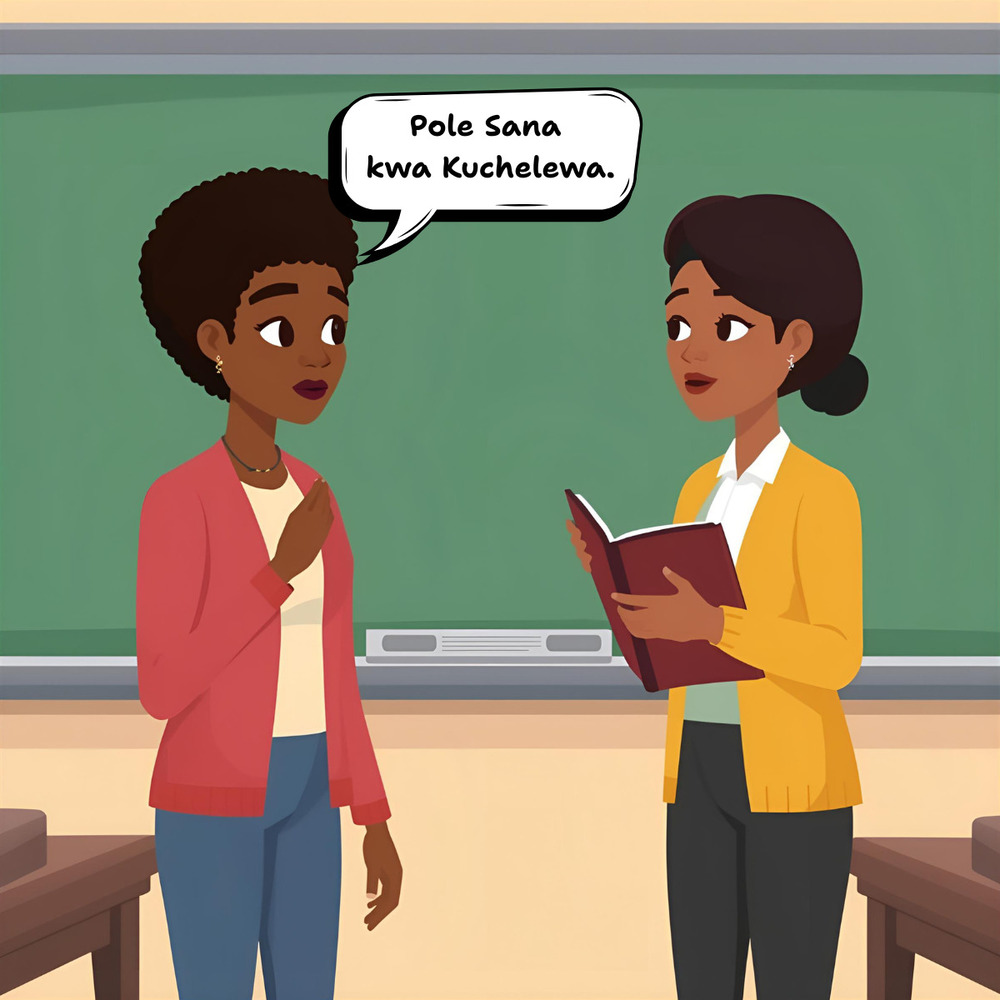
4. Simple Tricks to Apologize Gracefully: Pole Sana kwa Kuchelewa
Swahili Phrase: Pole Sana kwa Kuchelewa
- Pronunciation: Listen to the audio below.👇
- Literal Meaning: Very sorry for being late / delay
Why It Matters:
Traffic jams, unforeseen duties, and life happen. When you show up late for a meeting, lesson, or social gathering, starting with a sincere apology immediately sets a respectful and humble tone.
When & How to Use It:
Use this whenever you keep someone waiting—whether arriving late to an in-person meeting, stepping into a class late, or joining an online call late. It signals that you value their time and acknowledge the inconvenience caused.
Quick Reference Guide
| Swahili Phrase | English Translation | Best Situation To Use |
| Pole sana kwa kuumwa | So sorry for your illness | Visiting sick friends, recovery messages |
| Pole sana kwa kazi ngumu | So sorry for the tough work | Recognizing hard labor, tiring tasks. |
| Pole sana kwa msiba wenu | So sorry for your family’s loss | Funerals, mourning periods, condolence texts |
| Pole sana kwa kuchelewa | So sorry for being late | Arriving late to appointments or meetings |
Language learning isn’t just about memorizing vocabulary lists; it’s about connecting with people on a human level. By incorporating these four key phrases into your daily conversations, you aren’t just translating words—you are demonstrating genuine empathy and cultural understanding.
Which of these phrases have you used before? Have you ever had a memorable experience using “Pole” in conversation? Let me know in the comments below! If you found this helpful, check out our other guides on practical language learning and daily communication.
We hope these 4 Swahili Empathy Phrases You Must Master in Swahili will help you add to your vocabulary. You can also learn 6 Swahili Words That Strengthen Family Ties.
Please reach out to me by clicking my initials below.👇To learn more in private.
Until next time, Happy Learning.