
People have been asking what countries speak Swahili? We are here to answer that question.
If you’ve ever strolled through the sun-soaked streets of Zanzibar, the bustling markets of Nairobi, or the serene shores of Lake Tanganyika, you’ve probably heard the same musical rhythm of words dancing in the air: “Habari gani?” — “How are you?” That’s Kiswahili, one of Africa’s most beautiful and unifying languages.
So, where exactly is Kiswahili spoken, and why has it spread so far? Let’s explore the story behind this beautiful coastal language that grew to unite millions. Let’s start by getting are brief history of the Kiswahili Language.
Table of Contents
The Birthplace of Kiswahili: The East African Coast
Kiswahili, often simply called Swahili, was born along the East African coast, from southern Somalia to northern Mozambique. The word Swahili comes from the Arabic sawāḥil, meaning “coasts,” reflecting the language’s deep connection to the Indian Ocean shoreline.
For centuries, African Bantu-speaking communities traded and intermarried with Arab, Persian, and Indian merchants, forming a unique cultural blend that produced the Swahili people (Waswahili) and their language-Kiswahili.
The result was a language rich in African grammar and melody, yet beautifully sprinkled with Arabic and Persian words. Everyday terms like kitabu (book), meza (table), and rafiki (friend) reveal that history in every syllable.
From Coastal Villages to Thriving City-States
Between the 9th and 15th centuries, towns like Kilwa, Lamu, and Zanzibar grew into powerful trading city-states. Merchants spoke Kiswahili as they exchanged gold, ivory, and spices with travelers from Asia and the Middle East. It became the language of trade and diplomacy, understood across the vast Indian Ocean world. When the Portuguese arrived in the late 1400s — followed later by Omani Arabs — Kiswahili continued to flourish as the common language of commerce and culture. Its influence spread inland along trade routes, carried by traders and storytellers alike.
What Countries Speak Swahili?
Here is the list of what counties speak Swahili. Let’s start with where it is spoken more often and then explore other countries.
Tanzania: The Heartbeat of Kiswahili
In Tanzania, Kiswahili is more than a means of communication — it’s a national identity. After independence in 1961, President Julius Nyerere chose Kiswahili as the official language to unite more than 120 ethnic groups. He saw it as a symbol of equality, dignity, and pride in African heritage.
Under Nyerere’s leadership, Kiswahili became the language of schools, government, and media. He even translated Shakespeare’s plays into Kiswahili, proving that the language could carry the world’s greatest stories with elegance. Today, from Dar es Salaam to Arusha, Kiswahili thrives in daily life, music, and politics.
Kenya: A Language of Unity and Modern Expression
Across the border, Kenya also celebrates Kiswahili as an official language alongside English. It’s spoken widely in homes, schools, and the media, and it bridges Kenya’s many ethnic communities. Urban youth have even developed a creative street version known as Sheng’, mixing Kiswahili, English, and local slang.
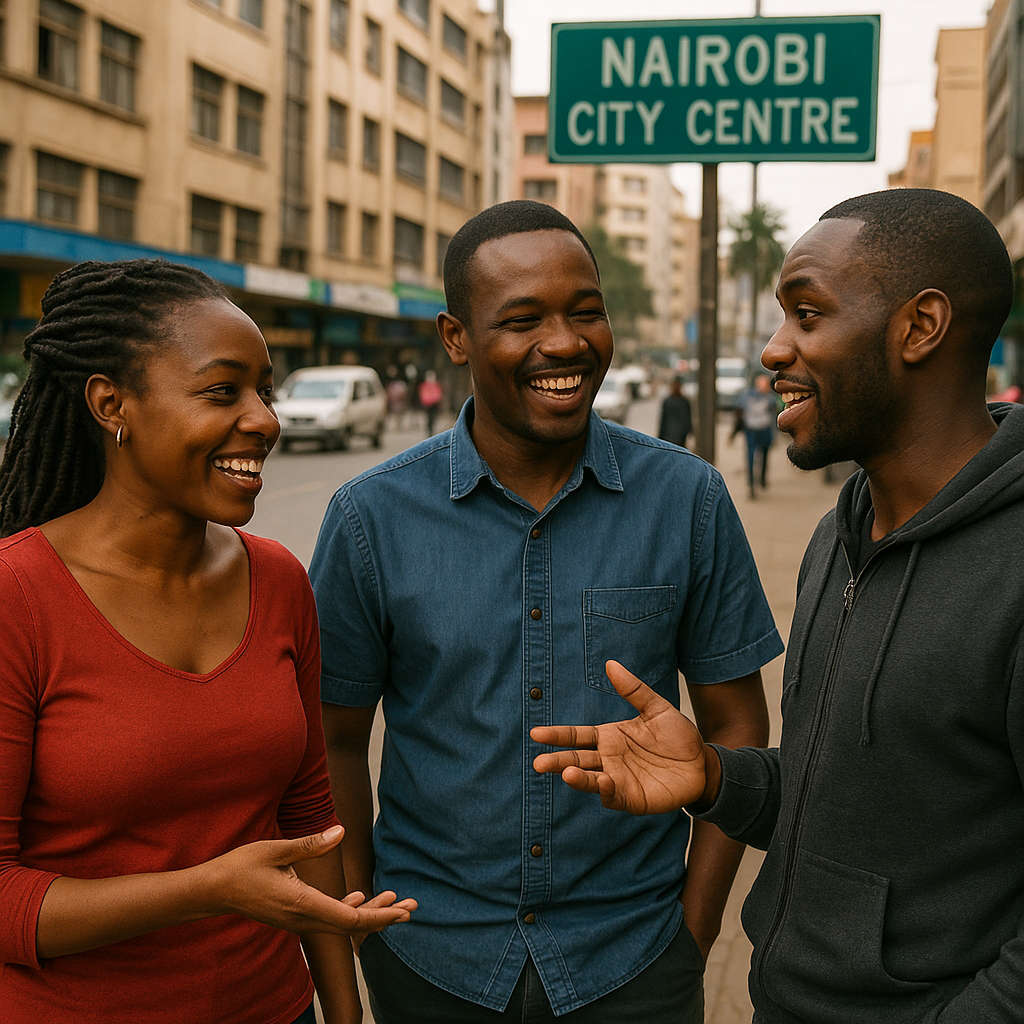
This dynamic form of expression keeps the language vibrant and evolving, especially in Nairobi’s fast-paced culture. In Kenya, Kiswahili is not just taught; it’s lived from cheerful greetings like “Habari yako?” to heartfelt farewells like “Kwaheri ya kuonana.”
Beyond Borders: Kiswahili in the Region
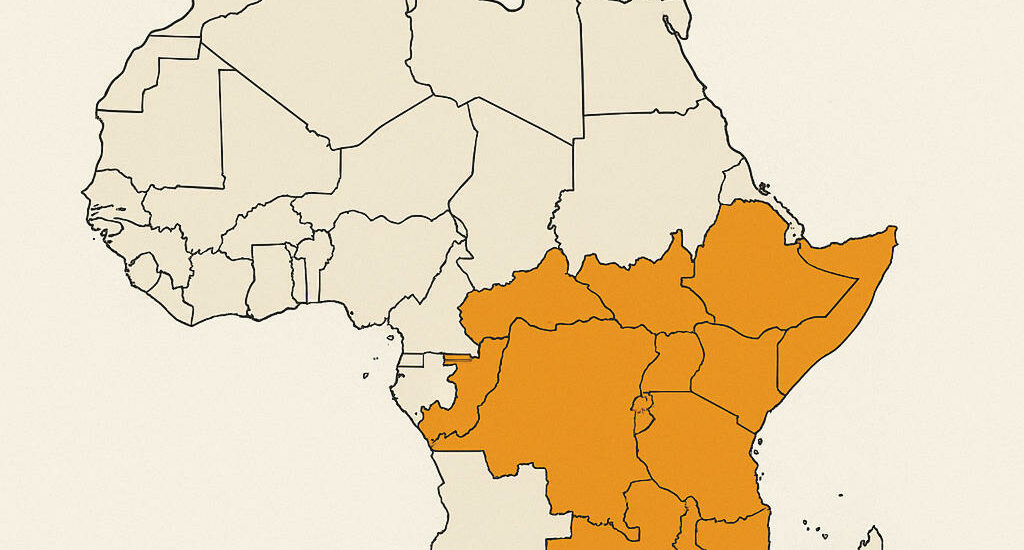
Kiswahili’s influence reaches far beyond Tanzania and Kenya. In Uganda, Kiswahili is now an official language used in education and government. In Rwanda and Burundi, it gained importance after joining the East African Community (EAC), which promotes Kiswahili as a working language of regional unity.
In Democratic Republic of Congo (DRC), Kiswahili is one of four national languages, widely spoken in the eastern provinces. Even in Comoros, Somalia, and northern Mozambique, Kiswahili dialects are used in trade and daily life. The language has also crossed oceans — spoken by diaspora communities in Oman and the United Arab Emirates, tracing their roots back to Zanzibar and the Swahili coast.
Kiswahili Goes Global
Today, Kiswahili is spoken by over 200 million people across Africa and the world. It’s taught in universities from London to Tokyo and New York. In 2022, the United Nations declared July 7th as World Kiswahili Language Day, celebrating its role in promoting peace and unity.
The African Union adopted it as an official working language, the first indigenous African language to earn that honor. It’s also gaining traction in digital spaces, music, and international media. From Bongo Flava songs to Pan-African conferences, Kiswahili continues to echo across the globe connecting hearts through rhythm and words.
Why Kiswahili Spreads So Widely
Several factors explain Kiswahili’s extraordinary reach:
1. Trade and Maritime Routes — Born in a melting pot of cultures, it was the natural language of exchange.
2. Cultural Openness — Kiswahili absorbed foreign words easily while keeping its African soul.
3. Colonial Influence — Both German and British administrations used it as a lingua franca in schools and government.
4. Post-Independence Vision — Leaders like Nyerere promoted it as a symbol of unity and pride.
5. Regional Integration — The East African Community continues to expand Kiswahili’s official use.
6. Media, Music, and Pop Culture — Modern art forms keep it relevant, especially among young people.
Kiswahili: A Language of Spirit and Soul
What makes Kiswahili truly special is not just how widely it’s spoken, but how deeply it’s felt. Its words carry warmth, respect, and community. Greetings like Karibu (welcome) and Pole (sorry) show a culture centered on empathy and connection. Values like umoja (unity), amani (peace), and upendo (love) flow naturally through its phrases, echoing the Swahili worldview — one of balance, kindness, and belonging. Kiswahili is not only a language; it’s a way of life.
The Language That Connects Africa
From the coral-stone cities of the Swahili coast to the highlands of Uganda and Rwanda, Kiswahili weaves a golden thread across Africa. It tells the story of migration, trade, friendship, and resilience. It reminds us that diversity is not a barrier but a bridge.
As a famous Swahili saying goes: “Bahari haikosi mawimbi” — “The ocean is never without waves.” Just like the sea that shaped it, Kiswahili continues to move, grow, and connect. And in its gentle rhythm, we hear not just a language, but the voice of Africa itself.
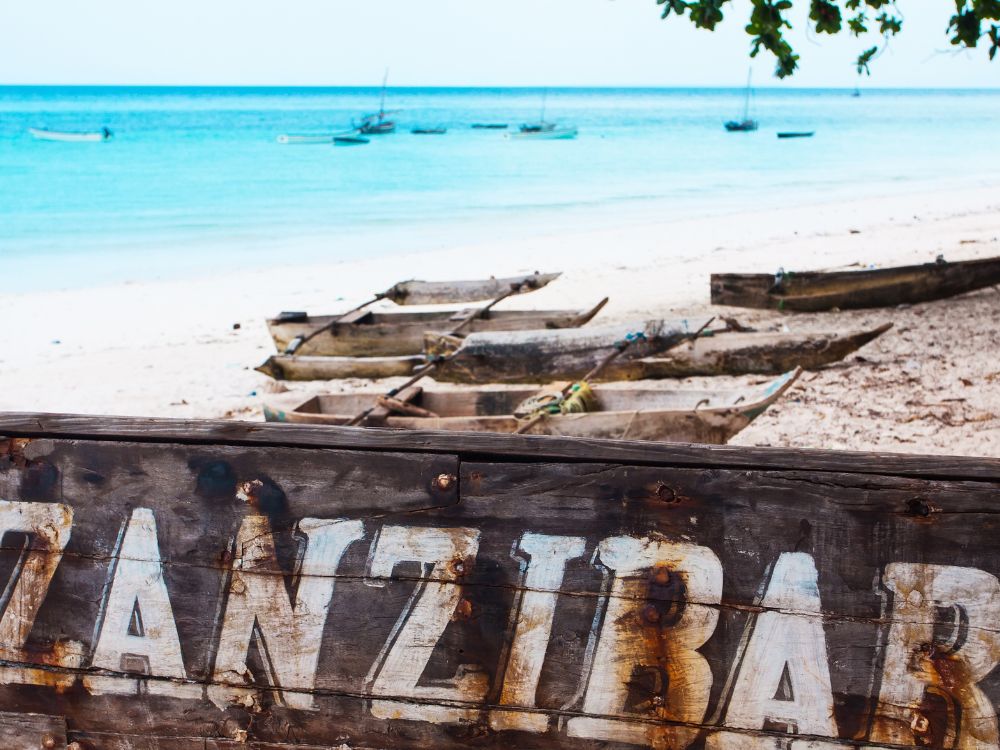
So, did you get the count on what countries speak Swahili? If you were like me, you likely got 11 countries that speak Swahili. Those countries are located in Africa and mostly East Africa and Central Africa. But we saw that other countries in the world speak the language.
We hope you have enjoyed the article and that it continues to educate you about the Swahili language, culture, and more. If you want to learn how to pronounce some Swahili words, please visit our page Ongea Swahili to learn more.