


Zanzibar, famously known as the “Spice Island,” is more than a tropical getaway. We are going to see 7 heartbeat of Swahili Culture in Zanzibar. It is a living embodiment of Swahili culture, shaped by centuries of trade, migration, and cultural blending.
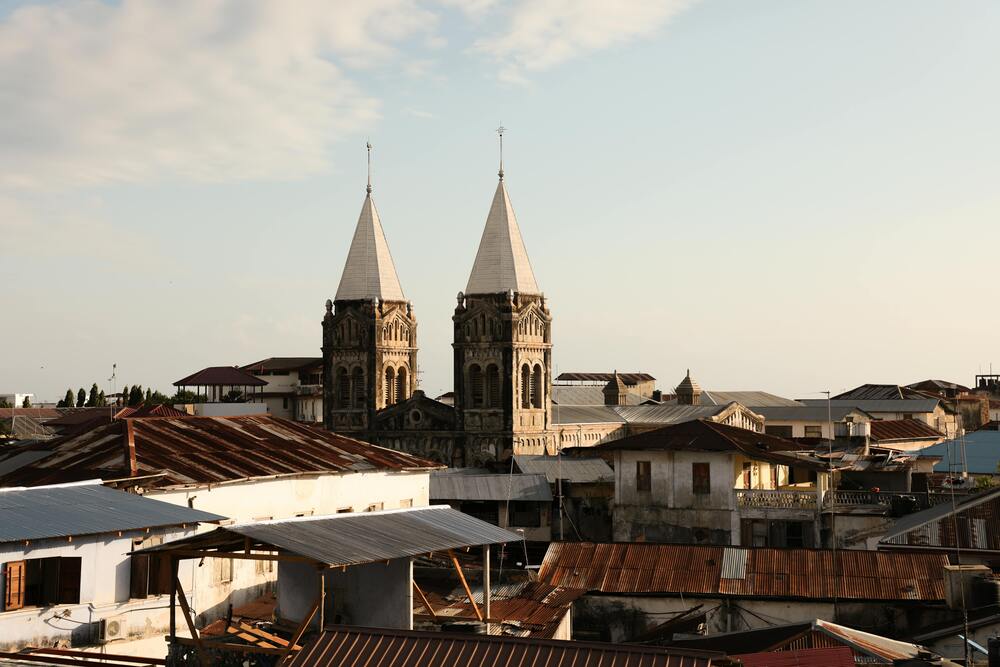
For travelers, Zanzibar offers beautiful beaches and turquoise waters, but its true charm lies in the rhythm of daily life, the aroma of spices, and the echoes of history in its streets.
Table of Contents
We will dive into historical crossroads, Swahili cuisine, music, dance, language & traditional. Let’s start by going through a brief history of Zanzibar.
7 Heartbeat of Swahili Culture in Zanzibar
1. Historical Crossroads
Zanzibar’s identity was forged at the intersection of Africa, Arabia, India, and Europe.
• Trade hub: For centuries, merchants exchanged spices, ivory, and textiles here, creating a cosmopolitan culture.
• Colonial influences: Portuguese, Omani, and British rulers left their marks, but Swahili traditions remained central.
• Stone Town: This UNESCO World Heritage Site is the cultural heart of Zanzibar, with coral-stone houses, winding alleys, and intricately carved doors that narrate centuries of history.
Walking through Stone Town feels like stepping into a living museum of Swahili civilization.
2. Stone Town: A Cultural Immersion
Stone Town is the best place to experience Swahili culture firsthand.
• Architecture: The famous wooden doors, decorated with brass studs, symbolize wealth and artistry.
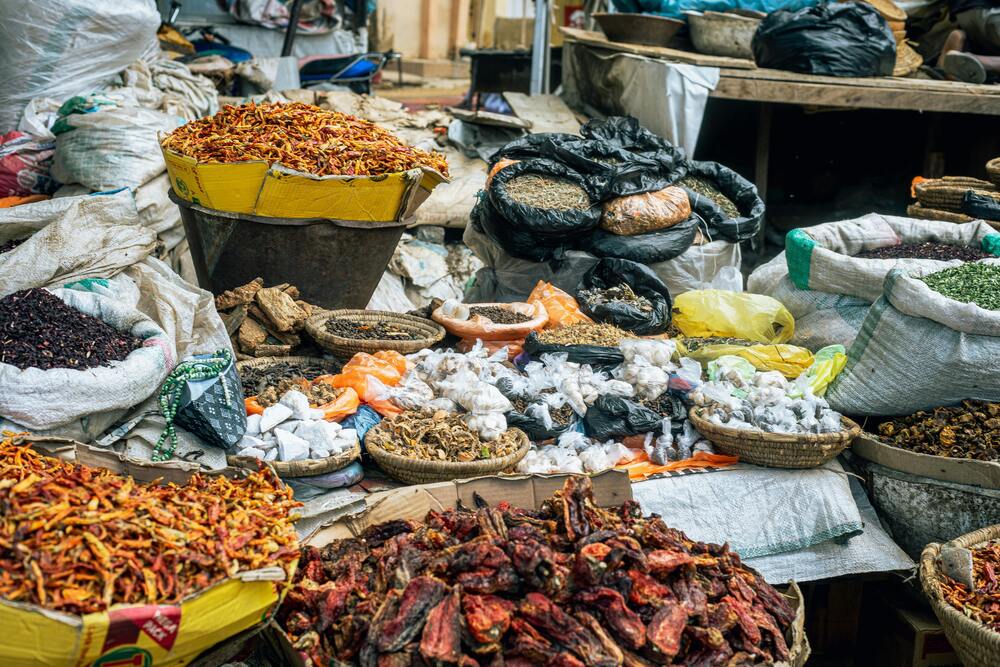
• Markets: Darajani Market bursts with spices, fresh produce, and crafts, reflecting Zanzibar’s role as a spice capital.
• Historic sites: The Old Fort, House of Wonders, and the former slave market reveal Zanzibar’s layered past.
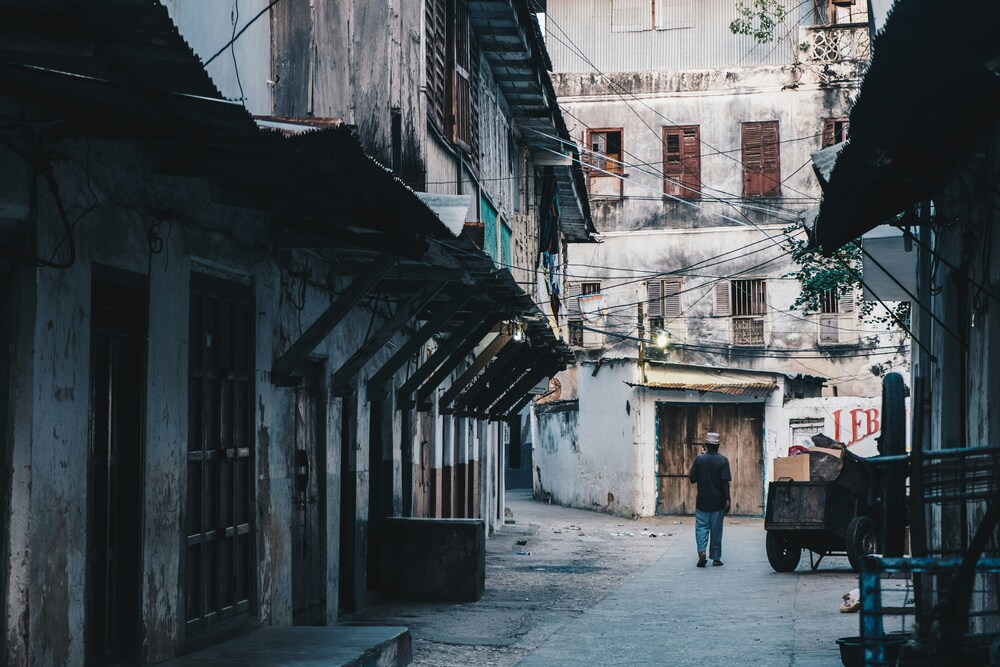
The blending of Islamic traditions with African customs is visible everywhere—from the call to prayer echoing across town to street vendors selling urojo (Zanzibar mix).
3. The Spice Islands
Zanzibar’s nickname is no exaggeration.
• Spice farms: Visitors can tour plantations where cloves, nutmeg, cinnamon, and cardamom grow. Guides explain their role in cooking and medicine.
• Cultural connection: Spices are woven into Swahili identity. Cloves, in particular, became Zanzibar’s economic backbone in the 19th century.
• Traveler’s experience: Touring spice farms is both educational and aromatic, offering a sensory journey into the island’s heritage.
4. Swahili Cuisine: A Fusion of Flavors
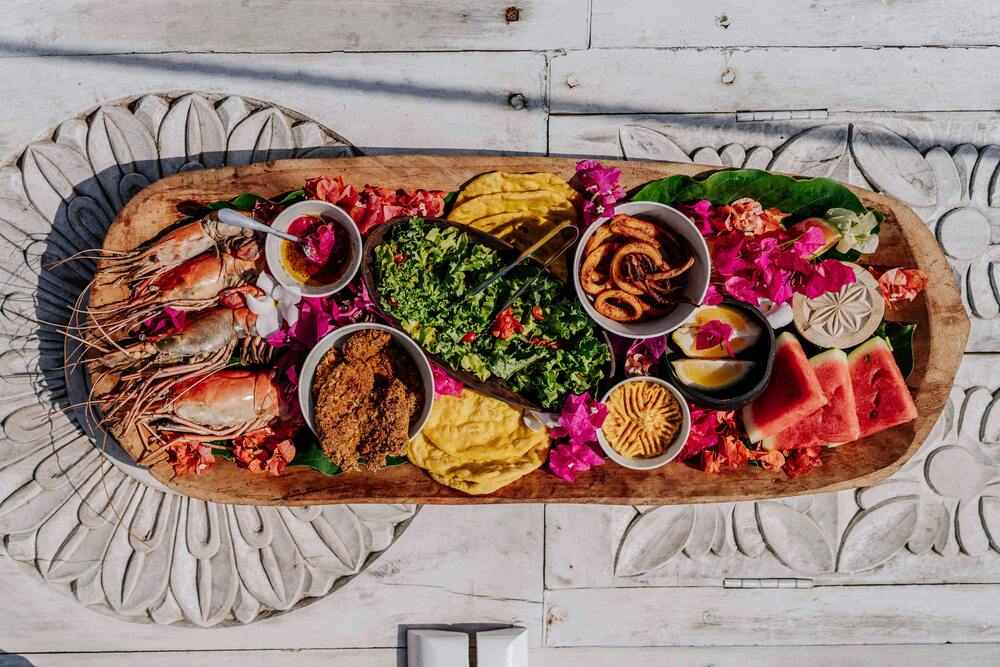
Food is a gateway to culture, and Zanzibar’s cuisine reflects centuries of blending.
• Signature dishes: Pilau, biryani, and urojo are staples.
• Street food: Forodhani Gardens transforms into a lively food market at night, serving grilled seafood, sugarcane juice, and the famous Zanzibar pizza.
• Cultural insight: Meals are often shared communally, reflecting the Swahili emphasis on hospitality and togetherness.
5. Music and Dance
Zanzibar’s cultural heartbeat is expressed through music and dance.
• Taarab music: A fusion of Arabic melodies, Indian rhythms, and African storytelling, performed at weddings and festivals.
• Ngoma dances: Traditional drumming and dance highlight African roots within Swahili culture.
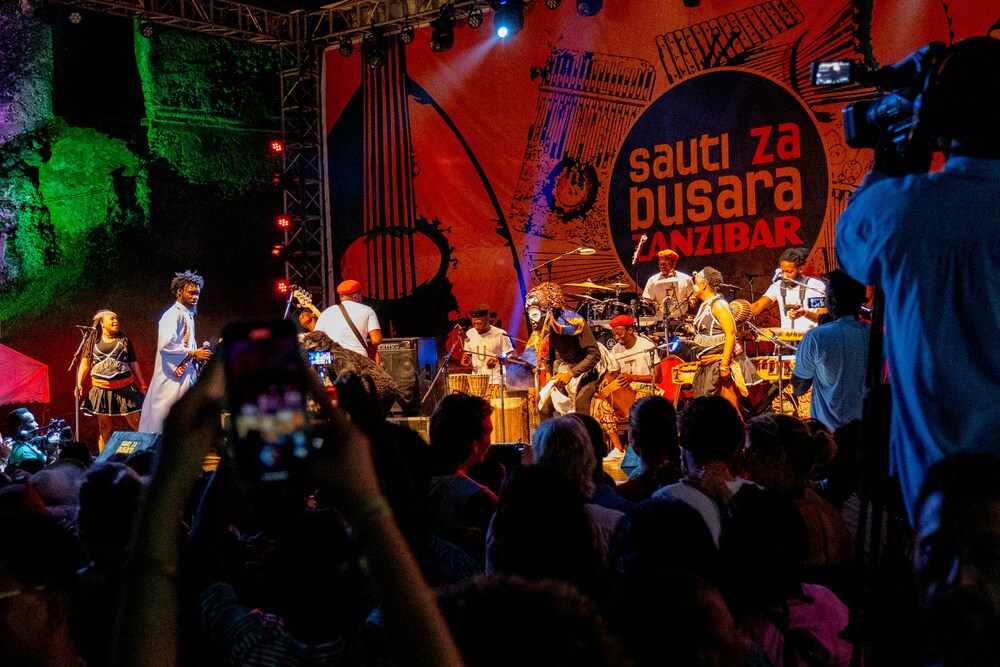
• Festivals: The annual Sauti za Busara music festival celebrates African music and draws performers from across the continent.
Music here is more than entertainment—it is storytelling and cultural preservation.
6. Language and Traditions
Swahili (Kiswahili) is the soul of Zanzibar.
• Origins: Rooted in Bantu languages, enriched by Arabic and Persian.
• Role: It is the lingua franca, spoken in homes, schools, and markets.
• Traveler’s tip: Learning phrases like karibu (welcome) and asante (thank you) deepens cultural connection.
Islam shapes daily life, with mosques, Ramadan celebrations, and Eid festivals central to community traditions. Respect for elders and hospitality remain core values.
7. Beaches and Coastal Life
Beyond culture, Zanzibar’s natural beauty is breathtaking.
• Nungwi and Kendwa: Famous for white sands and vibrant nightlife.
• Paje and Jambiani: Ideal for kite surfing and village life.
• Mafia Island: A quieter destination for diving and marine exploration.
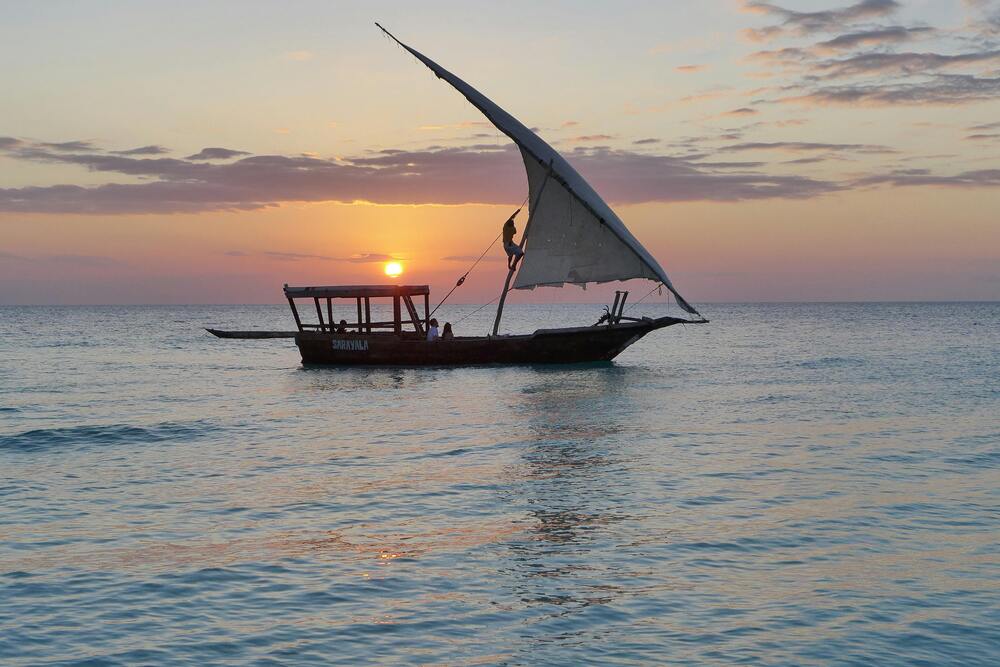
Traditional dhow sailing remains a symbol of Swahili maritime heritage, connecting fishing, trade, and travel.
Exploring Zanzibar is more than a holiday—it is a cultural journey. Every carved door, spice-scented breeze, and taarab melody tells a story of resilience and identity. For travelers, Zanzibar offers not only beaches and resorts but also immersion in the heartbeat of Swahili culture.
To walk through Stone Town, taste pilau, sail on a dhow, or dance to taarab music is to feel the rhythm of Swahili life. Zanzibar is not just a destination—it is the living soul of the Swahili coast.
Truly, we have seen 7 heartbeat of swahili culture in Zanzibar, which has been wonderful, and we hope you have enjoyed just getting the gist of it. You have to be there to get the full experience.
Do you want to learn how to say a Swahili Greeting? Click here to learn.
We are happy you have read this article, and to make plans for your trip to Zanzibar don’t hesitate to get in touch with us.
Until next time
It is me AVM.
Photos by:
Photo by Keegan Checks
Photo by Nichika Sakurai on Unsplash






How long has Zanzibar been influenced by cultural blending?
Zanzibar’s unique mix has been in the making for well over 1,000 years. It really kicked off around the 8th and 9th centuries when local Bantu communities began trading with Persian, Arab, and Indian merchants across the Indian Ocean. Over the centuries, that blend of cultures—later influenced by Europeans as well—shaped everything from Swahili language and cuisine to the architecture in Stone Town today.