

Master Swahili fast with 4 powerful words. In this article will see how you can do that and be a good Swahili speaker. Let me paint a picture for you to understand how you can do it. Have you ever sat on your porch on a cool evening, sipping a cold glass of sugarcane juice or enjoying a fresh homemade fruit smoothie, and found yourself wanting to add just one more thought to your conversation?
Whether you are describing the healthy greens in your diet—like pairing mlenda with ugali—or explaining how to prepare a delicious treat at home, connecting your thoughts smoothly is what makes your speech feel natural.
In Swahili, when you want to stack ideas, list items, or add extra emphasis, you rely on additive conjunctions. Today, we are opening up the toolkit and mastering four essential ones: Na (And), Pia (Also), Tena (Again / Furthermore), and Vilevile (Likewise / As well).
Table of Contents
We will look at why they are important, when to use them, how to use them, and how to pronounce them like a natural speaker.
Why Are Additive Conjunctions So Important?
Without additive conjunctions, your speech sounds like a broken series of short, robotic sentences.
Instead of saying: “I like fruit. I like vegetables. I like smoothies,” additive conjunctions let you weave those ideas into a warm, flowing narrative: “I like fruit and vegetables, and I also make smoothies at home!”
These words build continuity. They help you expand your sentences, show generosity in conversation, and keep your listener engaged without awkward pauses.
Master Swahili Fast with 4 Powerful Words
1. Na (And / With)
This is the single most common connector in the entire Swahili language.
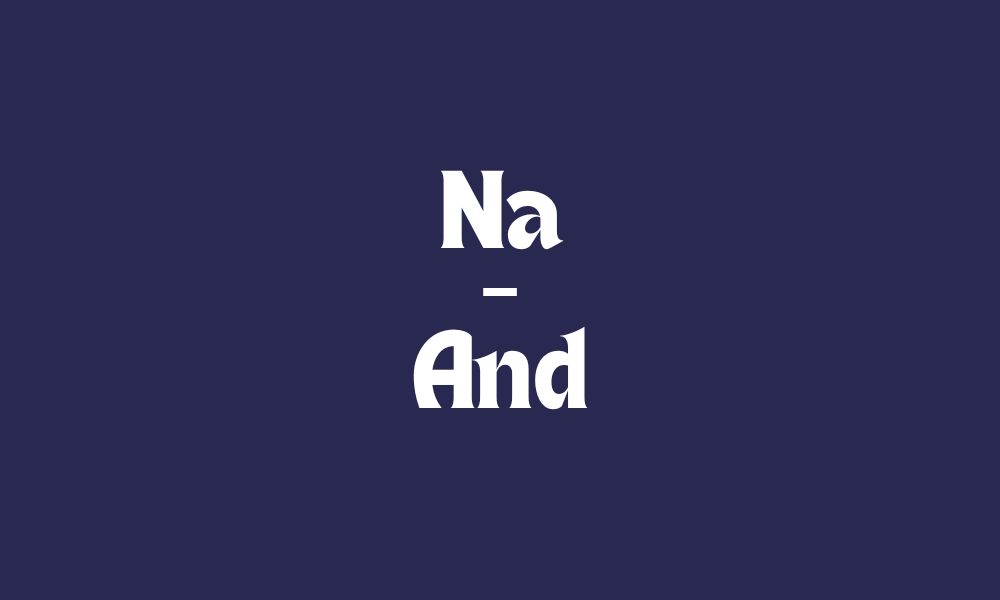
- When to use it: Use Na to join two nouns, list items, or connect simple clauses.
- How to use it: Place it directly between the two words or thoughts you want to connect.
- Example: “Bamia na uyoga ni nzuri kwa afya.” (Okra and mushrooms are good for health.)
Pronunciation: Simple and crisp. Pronounce it as “Nah” (rhymes with the short open “a” in father).
2. Pia (Also / Too)
When you want to add an extra layer of detail or confirm that something else applies, reach for Pia.
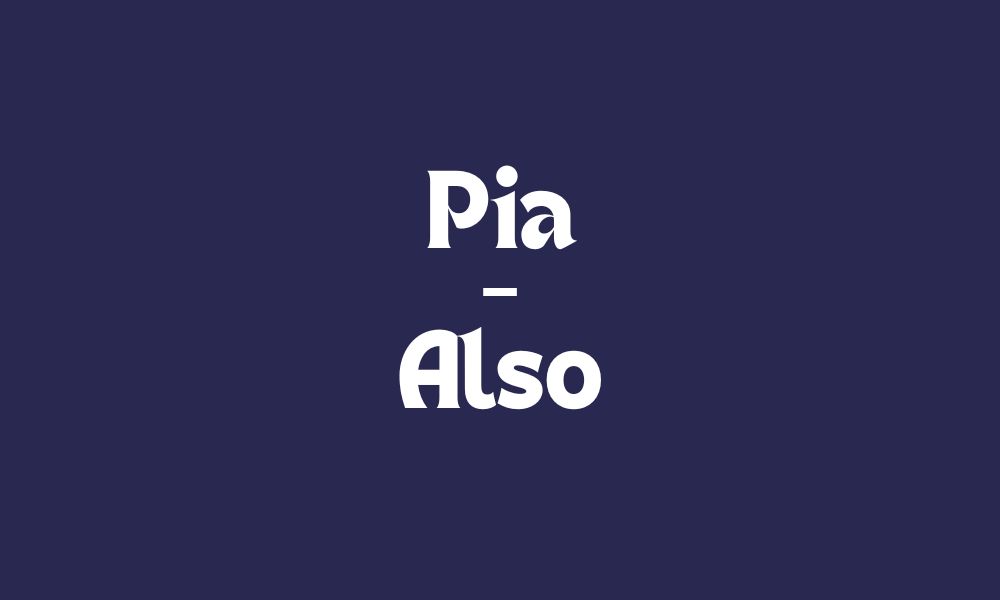
- When to use it: Use Pia when adding a secondary point, an extra benefit, or agreeing with someone.
- How to use it: It usually appears near the beginning of a sentence or right after the main verb.
- Example: “Lettuce ina maji mengi. Pia, ina vitamini C.” (Lettuce has high water content. Also, it has vitamin C.)
- Pronunciation: Two quick syllables: “Pee-ah”. Keep the “Pee” short and transition smoothly into “ah”.
3. Tena (Again / Furthermore / In addition)
When you want to emphasize an addition or indicate repetition, Tena is your secret weapon.

- When to use it: Use it to mean “again,” “moreover,” or to add an exclamation point to an additional fact.
- How to use it: Place it at the start of an added thought, or at the end of a command when asking someone to repeat something.
- Example: “Smoothie hii ni tamu, na tena ni rahisi kutengeneza.” (This smoothie is delicious, and it is easy to make.)
- Pronunciation: Pronounced as “Teh-nah”. The first syllable sounds like “te” in ten.
4. Vilevile (Likewise / As well / Equally)
This is the most expressive and polished additive conjunction of the group.
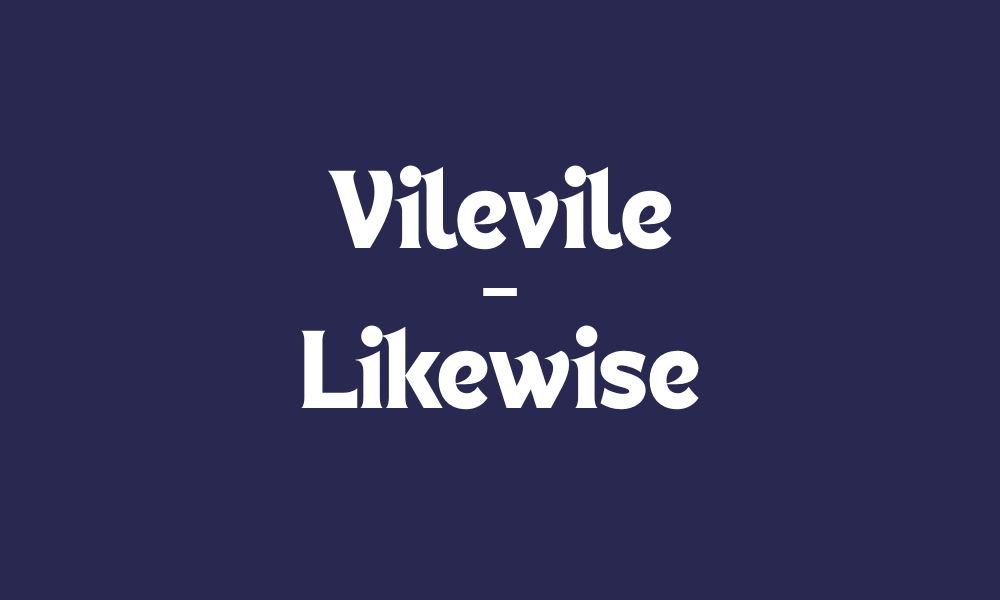
- When to use it: Use Vilevile when showing that two ideas share equal weight, or when adding a concluding positive point.
- How to use it: It works wonderfully at the start of a final sentence or right before a closing action.
- Example: “Panda mimea hii. Vilevile utapendezesha kibaraza chako.” (Plant these crops. Likewise, you will beautify your porch.)
- Pronunciation: Four smooth syllables: “Vee-leh-vee-leh”. Notice the rhythm—it flows right off the tongue!
That is how to master Swahili Fast with 4 Powerful Words. Now….
How to Combine Them in Real Life
To help you see how these four work together, look at how easily they build on each other in a single conversation:
“Ninakula bamia na uyoga. Pia, ninapenda kunywa juisi asilia. Tena, ninatengeneza smoothie nyumbani kila siku. Vilevile, ninatunza afya yangu!”
(I eat okra and mushrooms. Also, I like drinking natural juice. Furthermore, I make smoothies at home every day. Likewise, I am taking care of my health!)
Mastering Swahili isn’t about memorizing complex rules; it’s about stringing simple words together to share your everyday experiences naturally.
Start practicing today! Try writing a short 2-sentence combination using Na, Pia, Tena, or Vilevile in the comments below👇. Which one of these four are you going to use in your next conversation? Let us know, and make sure to check out our other posts to keep building your vocabulary!
We hope this article of master Swahili Fast with 4 Powerful Words has helped you add to your vocabulary. You can also learn how to say greetings in Swahili. Check it out here!
Please reach out to me by clicking my initials below.👇To learn more in private.
Until next time, Happy Learning.